


What is TPMS & How It Works to Keep Your Tyres Safe
Many people often forget about their car and caravan tyres during maintenance. But they are important for road safety.
Properly inflated tyres not only last longer. But also improve fuel efficiency and save you money.
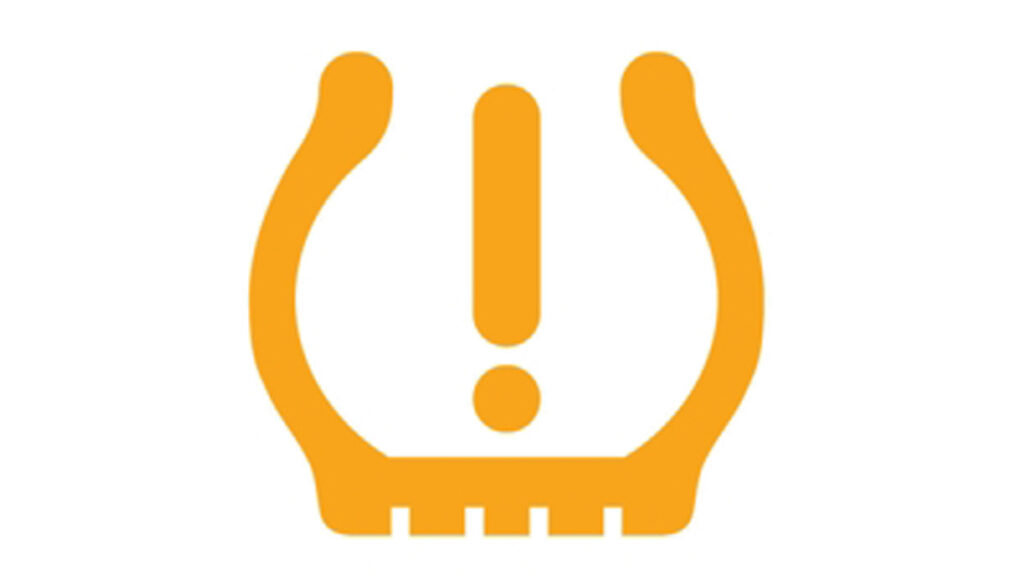
If your car is from 2007 onwards. It has a TPMS system. TPMS is indicated by a horseshoe-shaped light with an exclamation point.
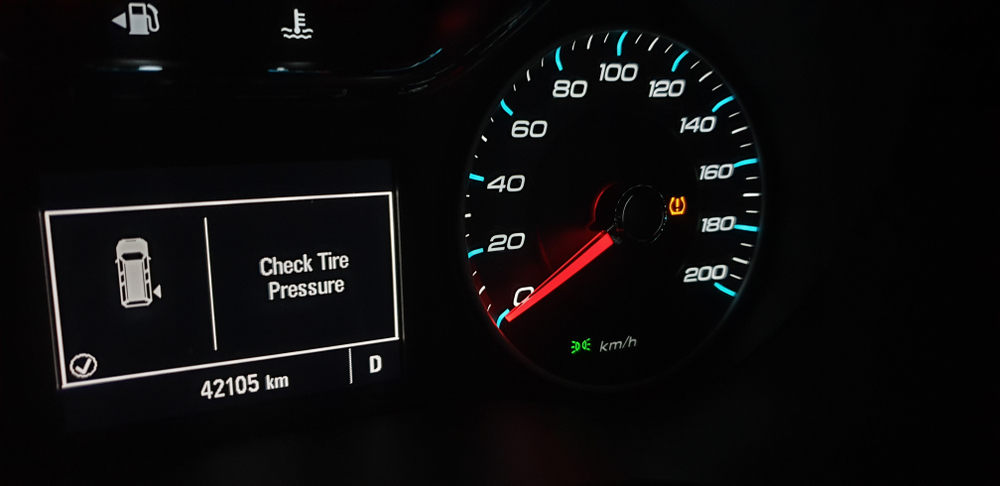
Though this light can be annoying. It tells when your tyres need air.
In this article, we’ll explore the important role of a tyre pressure monitoring system. To make sure your tyres contribute to a safer and more economical driving experience.
The Reason Behind TPMS System in Cars
Your car’s warning light has a history. In the late 1990s, accidents due to underinflated Firestone tyres led to safety concerns.
This pushed the automotive industry to implement the TPMS system in cars built after 2007. Before this, people used a tyre gauge to manually check air pressure.
Even today, many cars have underinflated tires. Proper tyre care with TPMS helps prevent accidents. The US government’s TREAD Act, since 2007, requires cars to have a TPMS.
What is TPMS?
TPMS stands for Tyre Pressure Monitoring System.
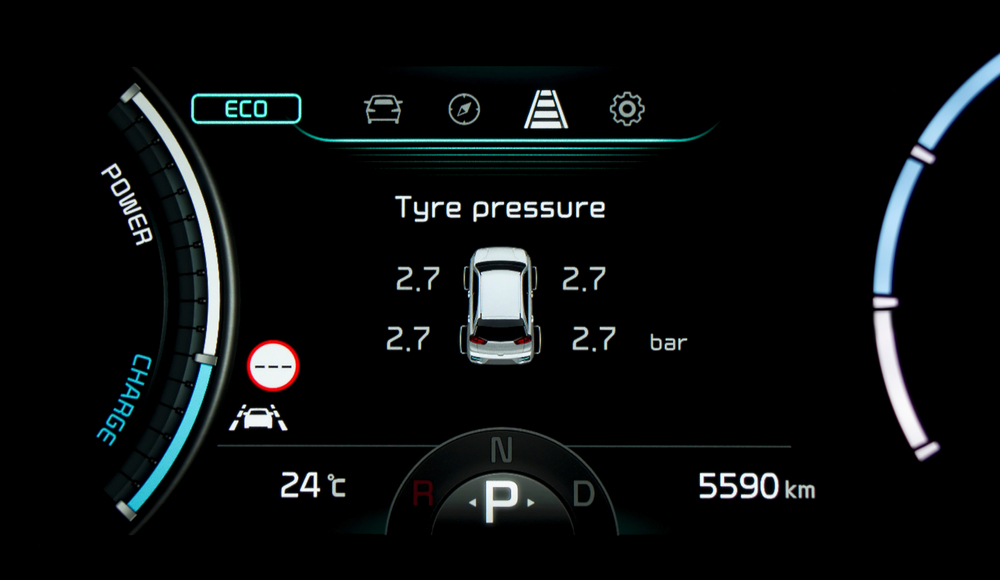
TPMS system, or tire pressure system, is a safety feature in your car. It warns you when your tyre pressure is too low or too high. It has a TPMS sensor on the tire rim and a TPMS tire pressure monitor on the dashboard.
TPMS Sensor Constantly Check Tyre Pressure
- The TPMS sensor constantly checks tyre pressure.
- If the pressure is too low or too high, a warning light on the dashboard comes on.
- This indicates that the tyre needs air, either due to damage or other reasons.
Why Correct Tyre Inflation is Important?
- Low tyre pressure shortens tyre lifespan.
- It increases braking distance, making the car less safe overall.
- It makes driving less safe, uses more fuel, and affects performance in wet conditions.
How Does TPMS Work?
The TPMS has sensors in the tyre or on the car. These sensors send information to modules in the car. These modules have specific rules programmed into them.
In the case of direct TPMS, they usually check if the air in the tyre is between 28 and 35 pounds per square inch (psi).
However indirect TPMS works differently. It doesn’t use pressure sensors. Instead, it looks at data from wheel speed sensors. These sensors tell the system how fast the tyre is spinning, helping it figure out the tyre’s size.
2 Types of TPMS: Indirect and Direct
Type 1: Indirect TPMS
How Indirect TPMS Works?
An indirect TPMS uses sensors that are part of the anti-lock brake system. These sensors keep track of how fast each wheel alignment is spinning. The information they gather is sent to the computer in the car. Which compares it with other data like speed.
The computer figures out the size of your tyres by looking at how fast each wheel is turning. If one wheel spins faster than it should. The computer thinks that the tyre does not have enough air. It warns the driver.
So, unlike a tyre gauge that directly measures the air pressure in your tyres.
An indirect TPMS watches how quickly your tyres are moving. And tells the computer to turn on the indicator light if something seems wrong with the tire rotation.
✅ Pros
Indirect TPMS has some good points:
- Cost-Effective: It’s not as expensive as direct TPMS.
- Easy Installation: It’s simpler to install and maintain than direct TPMS.
- Low Maintenance: It needs less programming and maintenance compared to direct TPMS.
❌ Cons
- Need for Reset after Inflating Tyres: You have to reset it every time you put air in your tyres.
- Resetting after Tire Rotation: After rotating your tyres, you also need to reset them for accurate readings.
- Unreliable with Unevenly Worn Tyres: It may not give correct readings if your tyres wear out unevenly.
- Accuracy Issues with Different Tyre Sizes: It does not work well if you get a tyre that is bigger or smaller than the standard size.
Type 2: Direct TPMS
How Direct TPMS Works?
Direct TPMS is a system that uses special sensors inside each tyre to keep an eye on the air pressure. Not just how fast the wheels are turning.
These sensors in direct TPMS can even tell you how hot your tyres are getting.
- All the information they gather goes to a central module in your car.
- This module looks at the data. Figure out what it means.
- If the tyre pressure is too low. It sends a message straight to your dashboard.
- That’s when you see the warning light.
Direct TPMS usually sends all this information without any wires. Each sensor has a unique serial number. Like a special code. This code helps the system know which tyre is which. Not only on your car but also compared to other vehicles.
💡NOTE: Different car makers use their own special technology for these systems. If you need to replace the TPMS. You will want a skilled technician who knows how to work with your specific car.
✅ Pros
- Long-lasting Batteries: The sensors’ batteries typically last around ten years.
- Easy To Sync: After rotating or replacing tyres, it’s straightforward to sync the system.
- Accuracy: It is less likely to give wrong readings when you change or rotate your tyres.
- Included in Spare Tyres: Some vehicles come with Direct TPMS even in their spare tyres.
- Actual Pressure Readings: Direct TPMS provides real-time tyre pressure information from inside the tyre.
❌ Cons
- More Expensive: Direct TPMS is more high-priced than indirect TPMS.
- Need Special Tools: Even though it’s simple, re-syncing requires pricey tools.
- Easily Damage: Sensors in direct TPMS are easily damaged during the process of mounting and demounting.
- Non-Replaceable Battery: The battery in direct TPMS sensors can’t be easily replaced. You need to change the entire sensor if the battery drains.
- Confusing Systems: Unique systems make it confusing for both consumers and auto shops during installation, service, and replacement.
Benefits of TPMS
TPMS offers several benefits, including:
- Longer Tyre Life: Proper inflation can extend tyre lifespan. With up to a 45% slower wear rate compared to under-inflated tyres.
- Lower Driving Risks: Keeping correct tyre pressure reduces the likelihood of accidents and blowouts. This contributes to safer driving conditions.
- Improve Fuel Usage: Correct tyre inflation leads to fuel savings. A 9% drop in tyre pressure causes a fuel consumption increase of around 5%.
- Better Driving Safety: Properly inflated tyres not only improve vehicle handling. But also reduce the risk of accidents caused by handling issues.
How Changing a Tyre Affects TPMS
When you put on a new tyre for your car. You need to make some adjustments to the TPMS.
✅ It’s important to move the tyre pressure sensor from the old tyre to the new one.
✅ Also, make sure the new tyre has the right amount of air in it.
Sometimes spare tyres can lose air if they’ve been sitting around for a while. Using a tire pressure monitoring system helps make sure the new tyre is working properly.
How to Check if Your Car Has TPMS
If your car is from 2014 or a more recent year. It probably has TPMS.
To find out, follow these simple steps:
- Turn your key in the ignition without starting the engine.
- Look for the TPMS light among the dashboard lights.
- If you have RunOnFlat or Run Flat tyres, your car also has TPMS.
- Check your owner’s manual for information on whether your car has TPMS and which system it uses.
What to Do When Your TPMS Light Turns On
If you see the TPMS light while driving,
- STOP as soon as it’s safe.
- Check each tyre’s pressure manually with a gauge to find the one with issues.
- Decide if you need to change the tyre or head to the nearest garage for help.
TPMS Maintenance
Your local tyre dealer can take care of TPMS maintenance. Especially, when putting on new tyres. To make sure the system is set up correctly for the right tyre size and recommended pressures.
It’s important to manually check tyre pressures regularly. Also, inspect the overall condition of the tyre, including the tread and sidewalls.
Tyre Pressure and Safety
While TPMS serves as a valuable safety tool.
It is not a substitute for manual air pressure checks. Regular maintenance, including manual checks, ensures optimal safety.
TPMS Keep Your Tyres Inflated & Safe
TPMS take care of your tyres to keep you safe on the road.
Remember to check the air in your tyres regularly. If your car has that special horseshoe light.
Pay ATTENTION to it!
That light is your car’s way of telling you, “Hey, I need air in my tyres!” So, the next time you see that little horseshoe light blinking. Don’t ignore it.
Stay safe and keep those tyres pumped up.
Schedule Tyres Maintenance with Swan Smash Repair
Schedule your complete car care service with Swan Smash Repair in Perth.
Let Swan Smash Repair help you with expert tyre pressure checks, maintenance, cleaning headlights, ceramic brake pads and headlight restoration.
With guidance on how to change a tire or clean headlight covers.
Click below to ensure your safety on the road by giving your tyres the attention they deserve.
TPMS FAQs
1. How Long Do TPMS Sensors Last?
Direct sensors’ battery life is around 5-7 years. While indirect systems use the vehicle’s ABS and don’t need extra batteries.
2. Will the TPMS Light Come on if Over-inflated?
Check your vehicle or TPMS manufacturer handbook to find out if your system has this feature.
3. How Far Can I Drive with the TPMS Light On?
If the TPMS light is on. Pull over safely and check all four tyres for damage. Decide whether to change the tyre or seek help from the nearest garage.
4. Can I Remove the TPMS Sensor?
It’s not recommended to remove the TPMS system. As it provides a safety warning for changing tyre pressure.
5. Where is the TPMS Sensor Reset Button?
Most vehicles have the TPMS reset button under the steering wheel. If not, you can find the button’s location in the owner’s manual.
6. How to Replace TPMS Sensor Battery?
As the battery is usually attached to the sensor. It’s often not possible to replace the battery alone. Seek help from your local garage for advice on your specific TPMS battery.
7. What Should I Do if My Warning Indicator Comes On?
If the warning indicator appears on the dashboard, pull over when safe. If your TPMS doesn’t show air pressure in each tyre, check all four tyres for punctures or damage. Decide whether to change the tyre or continue to the nearest garage.
8. Can I Add TPMS to My Car?
You can add TPMS to an older vehicle using an easy-to-install aftermarket kit. The system can be powered through a cigarette receptacle and will alert you if the tyre pressure changes.